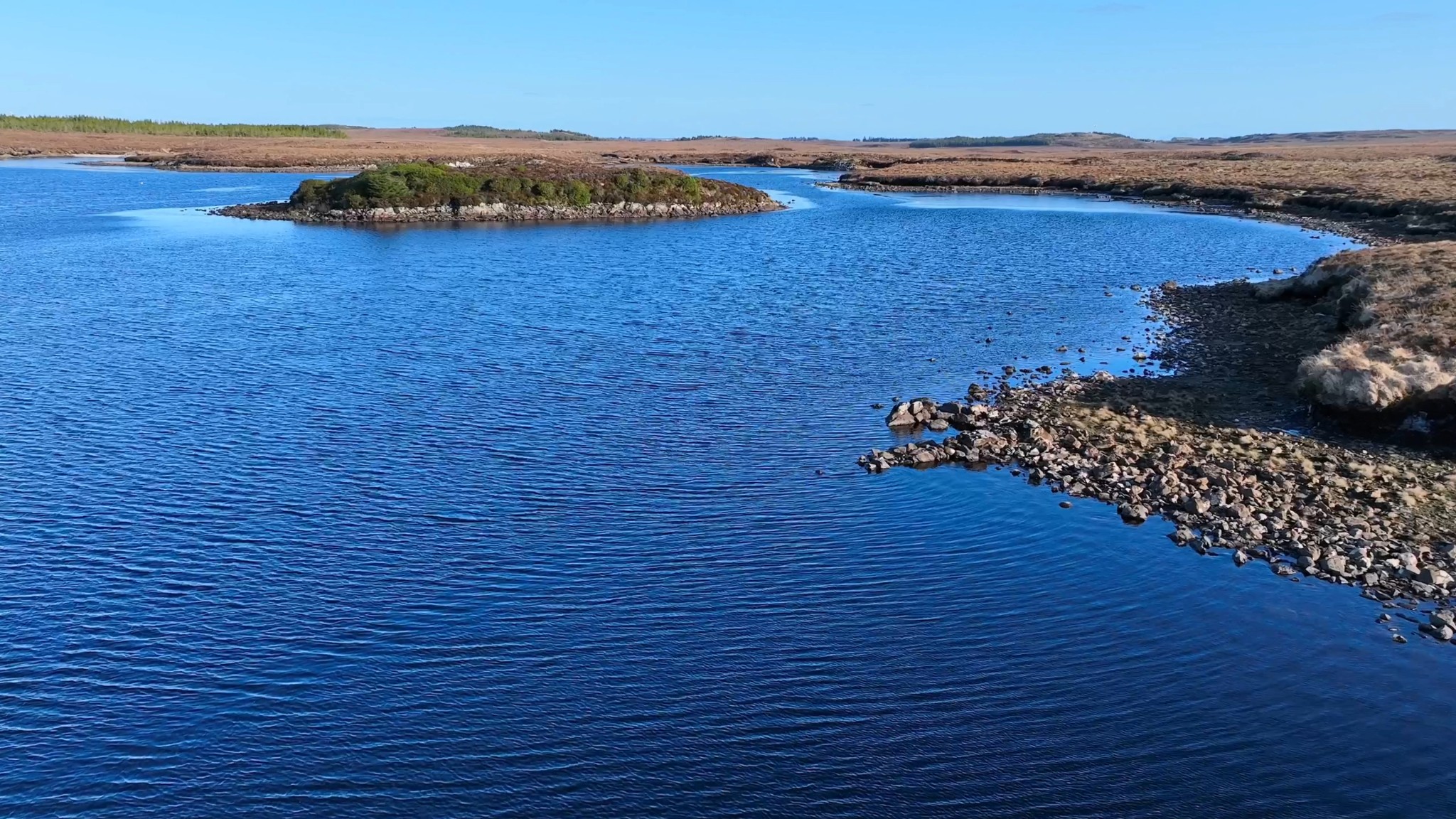
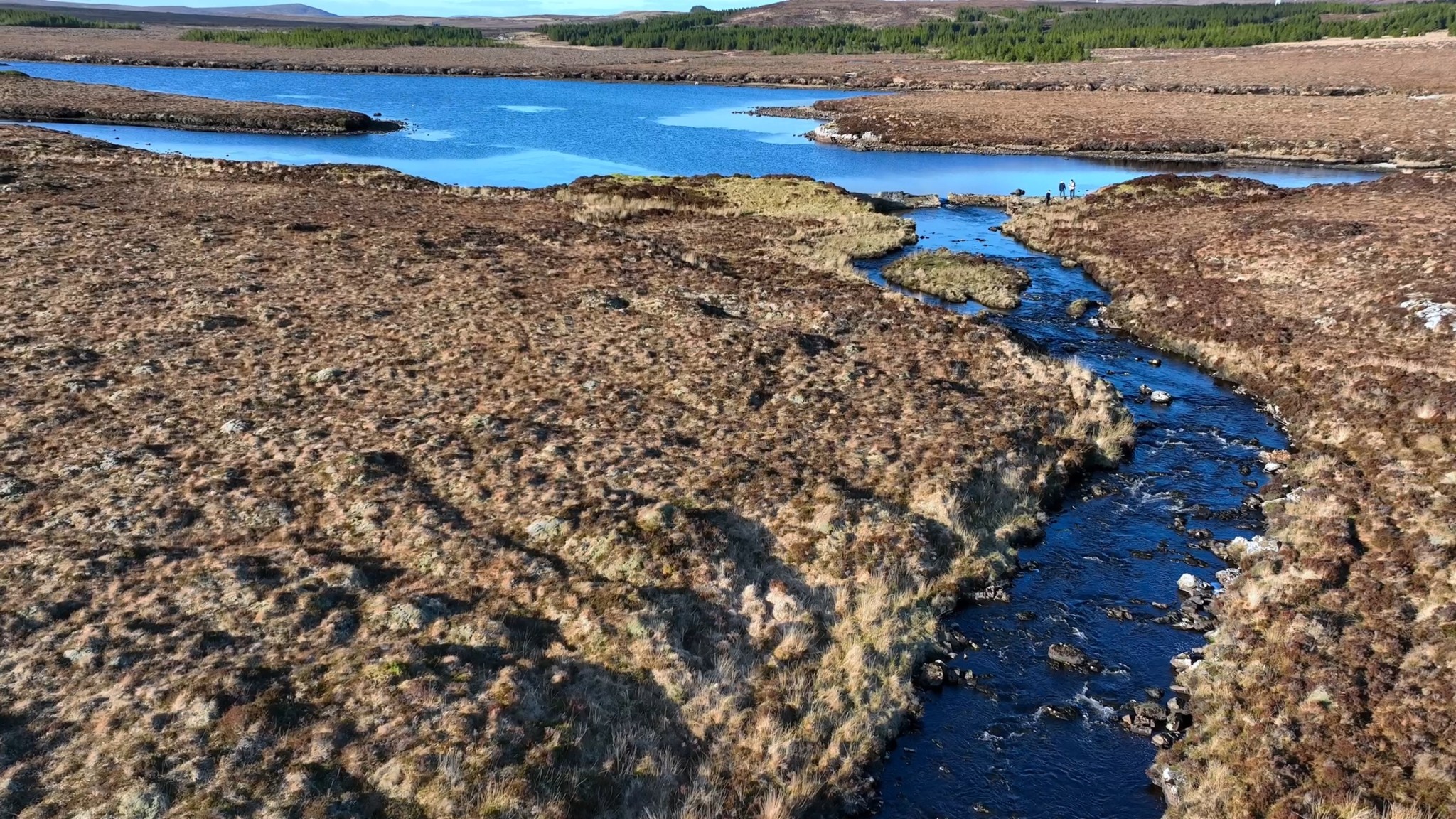
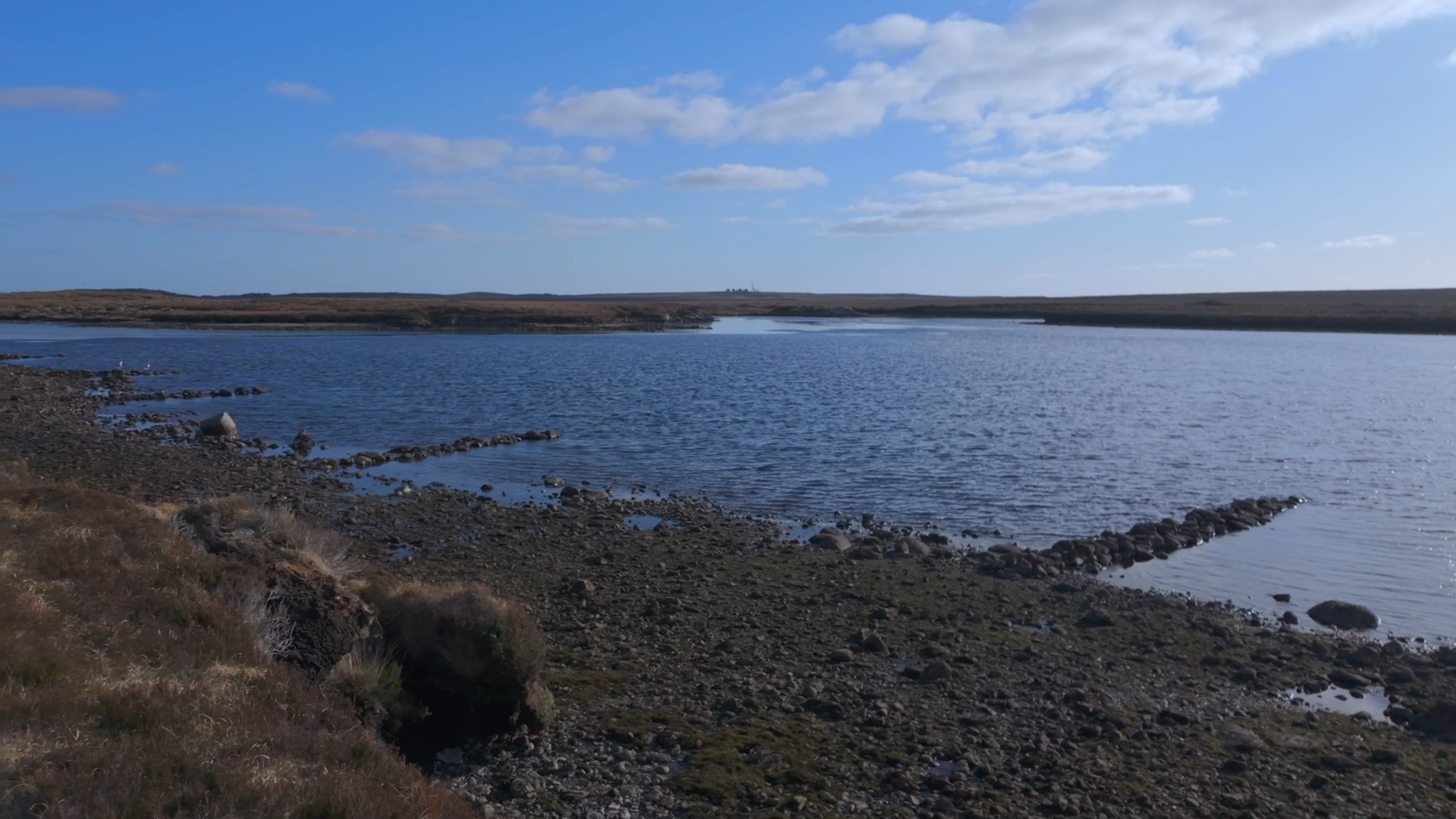
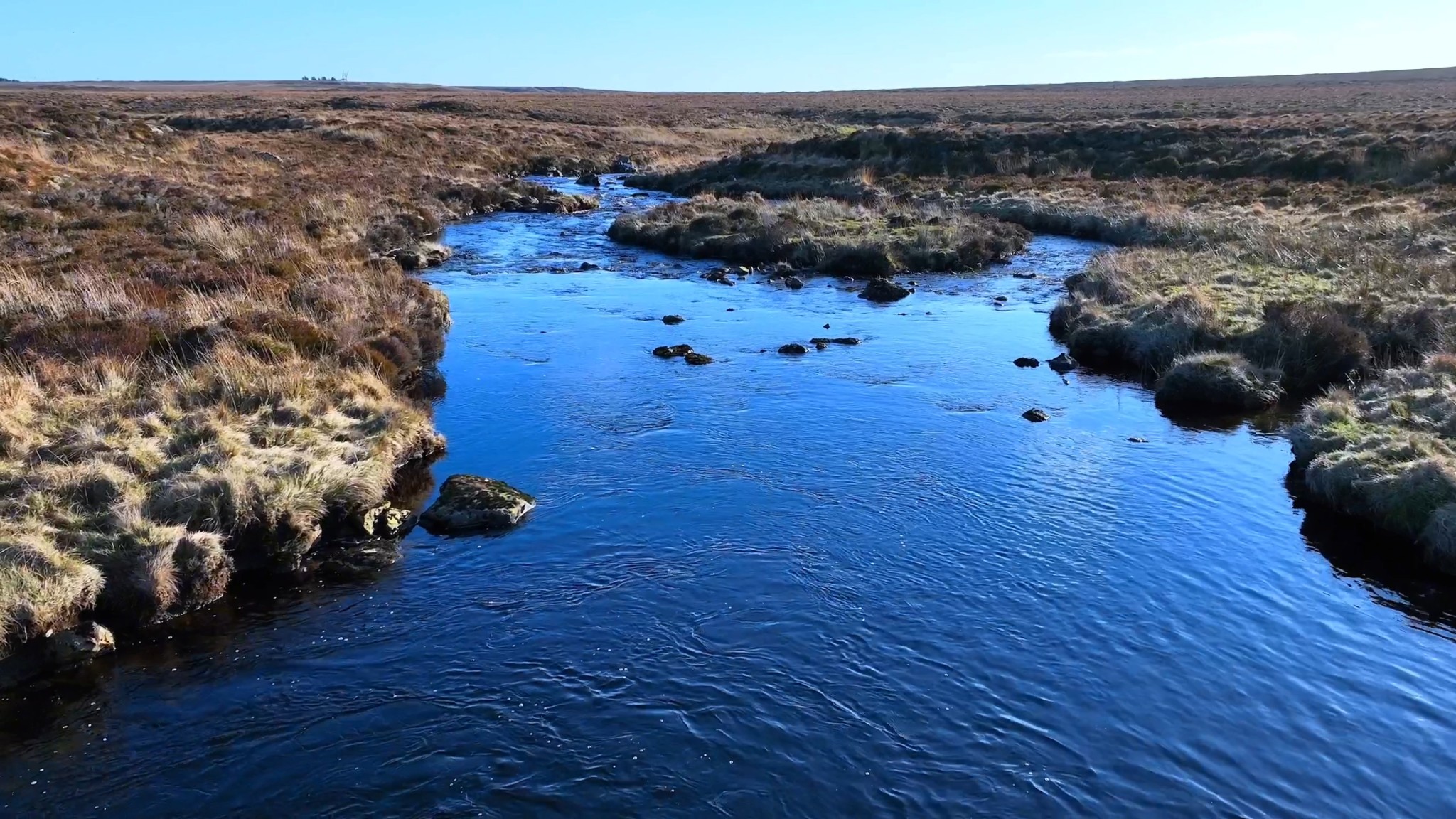
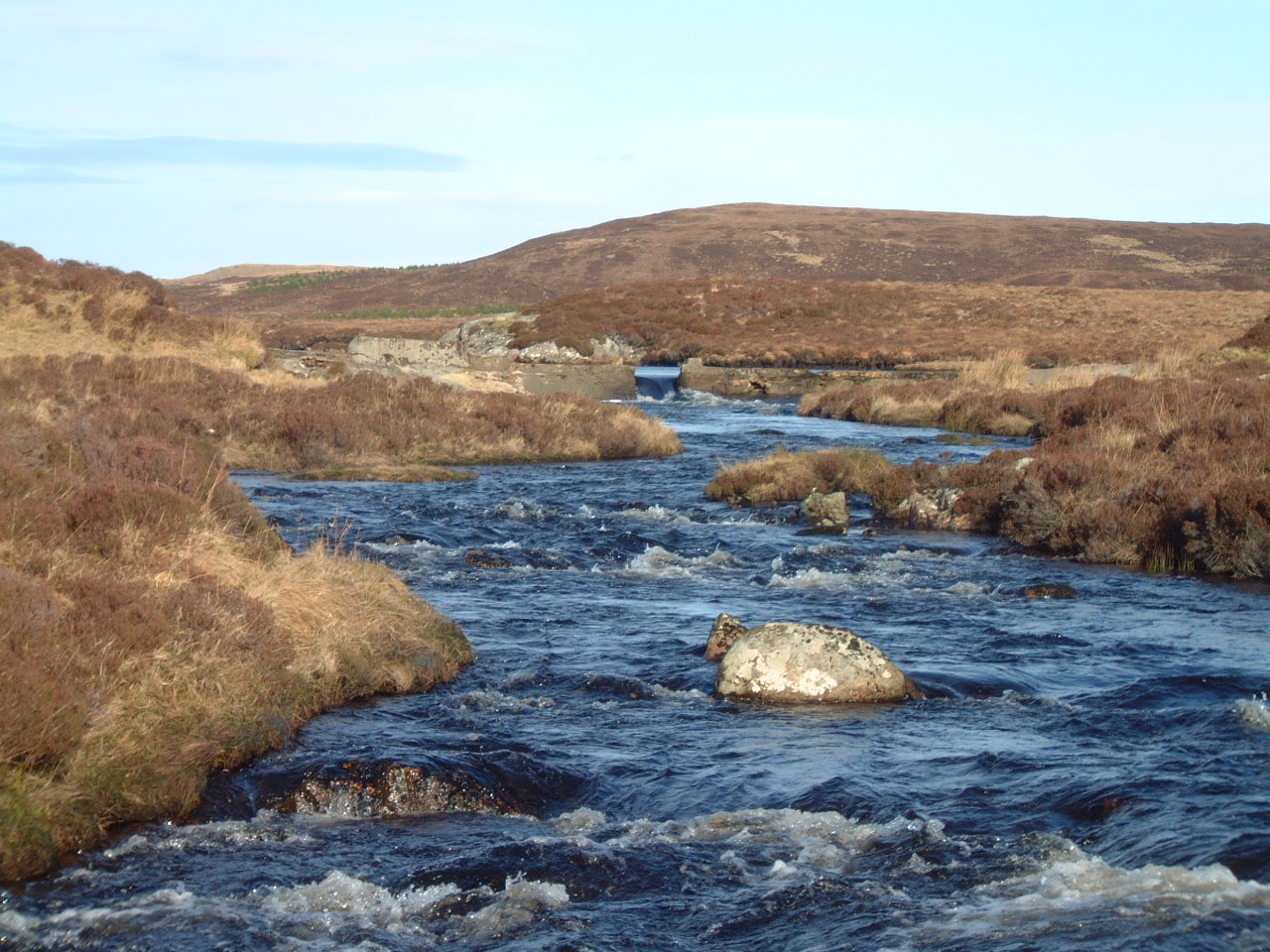
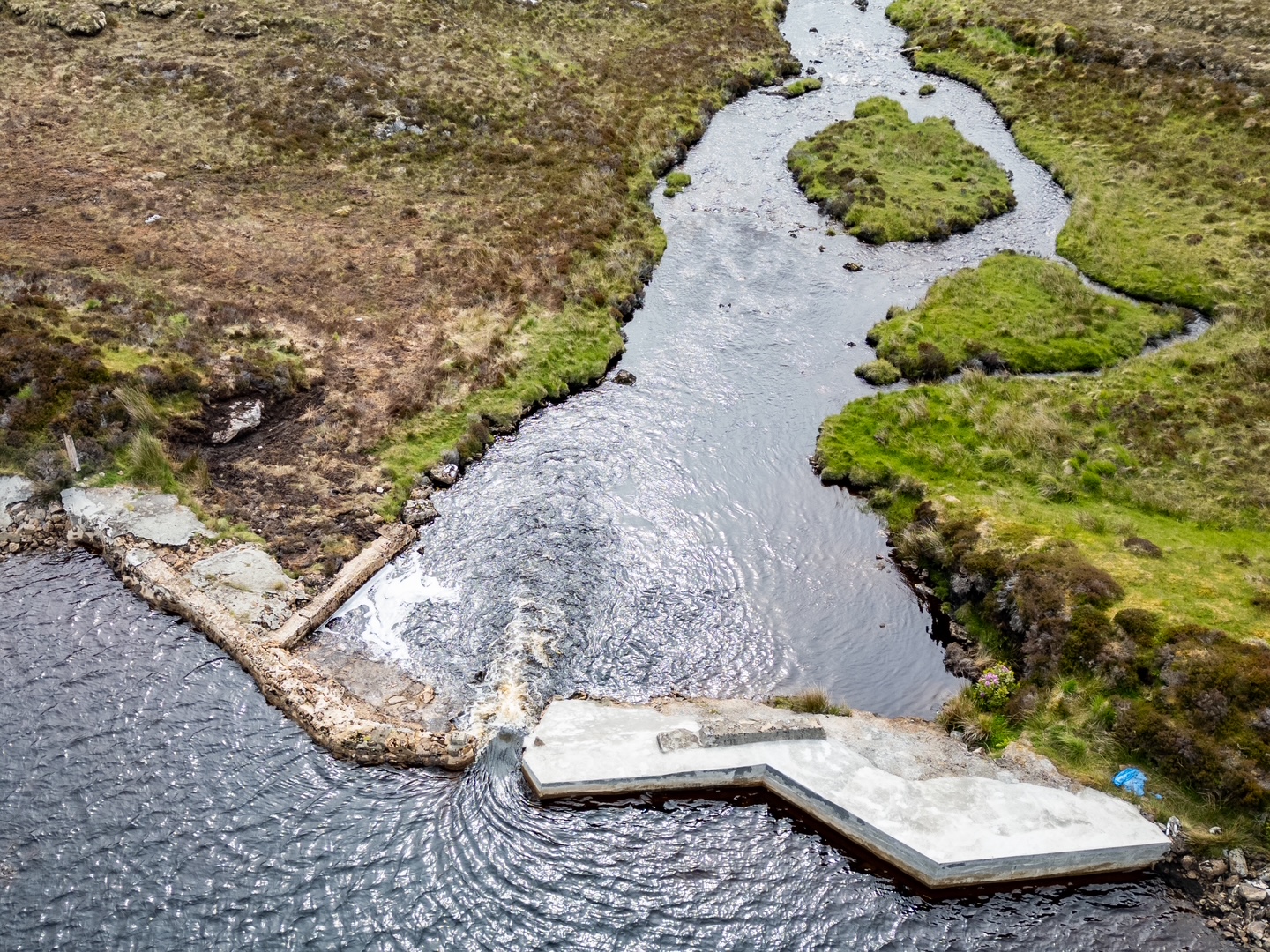
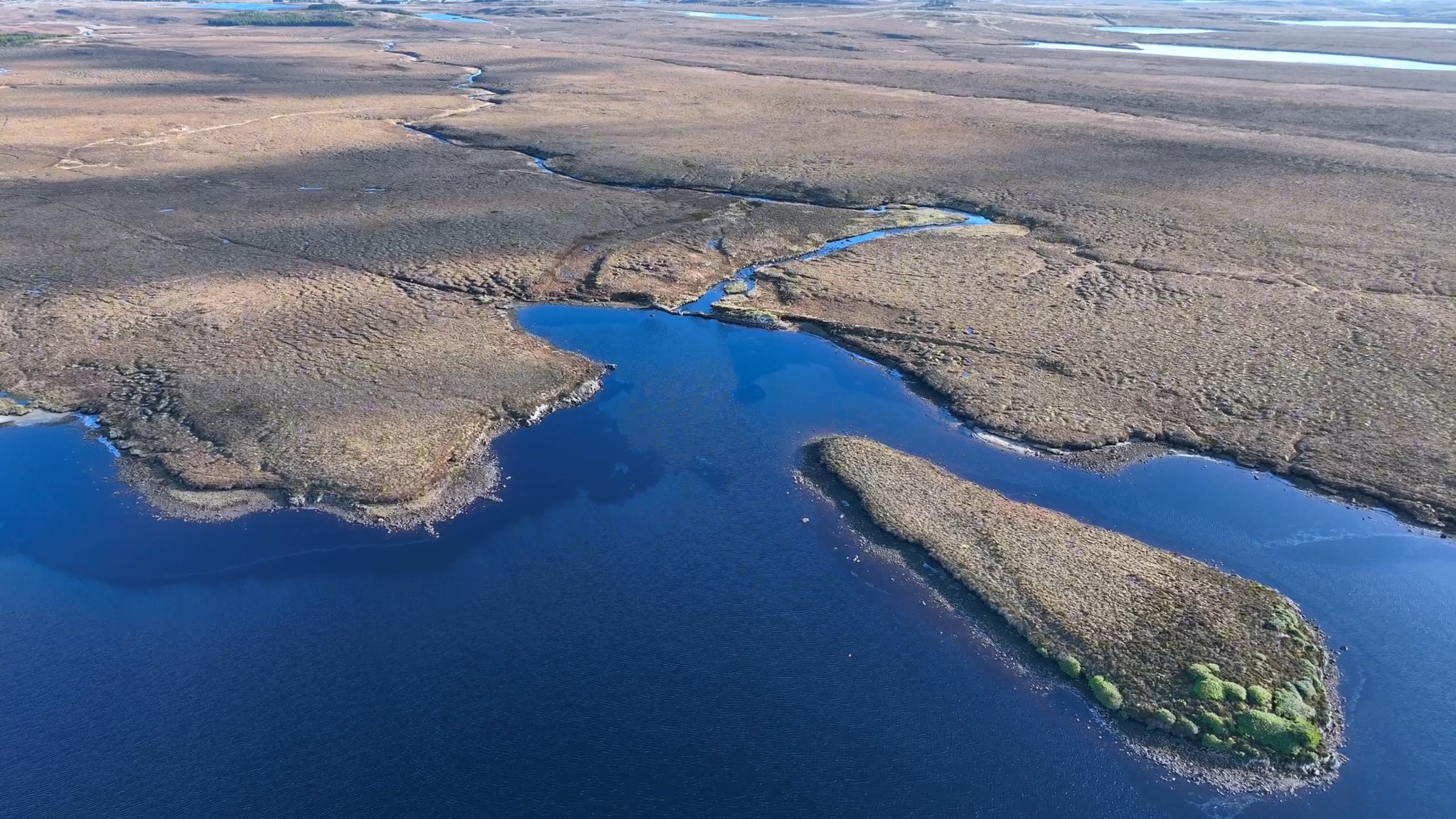
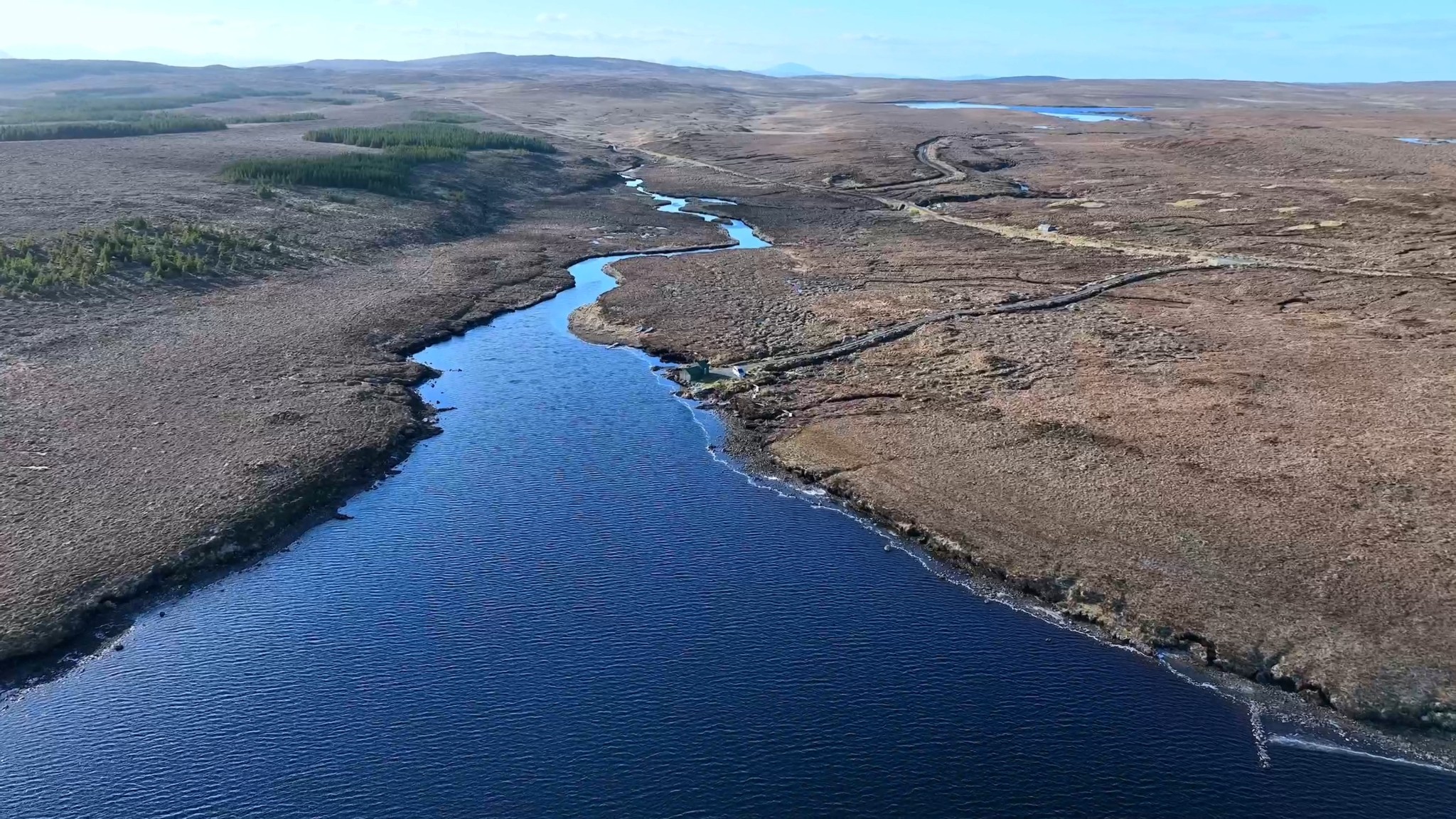
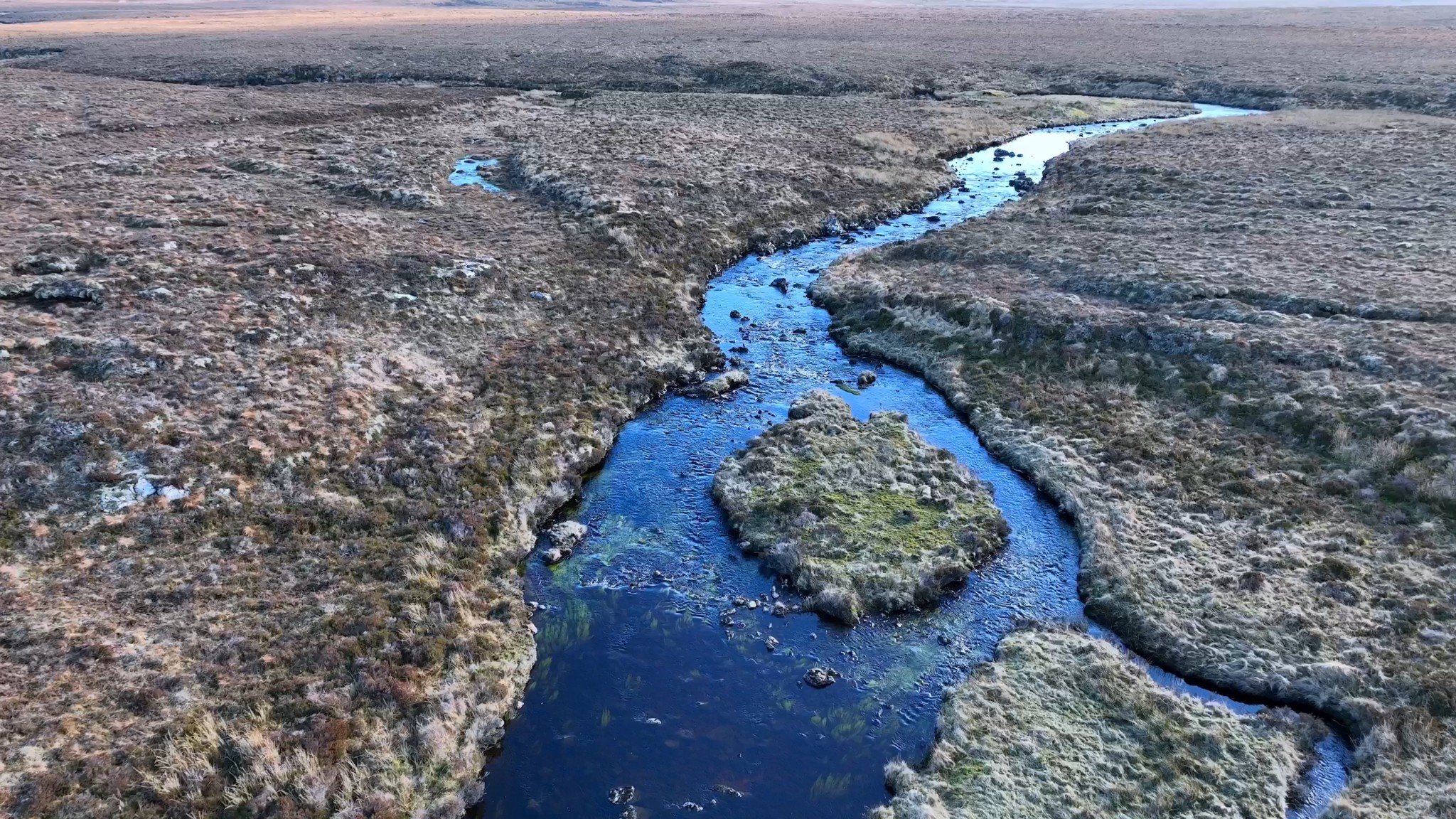
Building on a successful Wild Fisheries Fund project last year to repair the River Creed dam, the new project combines traditional habitat restoration with modern technology to support wild salmon and sea trout populations.
Spawning gravels across the River Creed catchment and its tributaries will be loosened and cleaned using proven techniques that help optimise conditions for young salmon. The work will take place across remote areas of Lewis, with support from local estates and volunteers.
A new PIT tag reader will also be installed alongside the river's fish counter, allowing fisheries experts to track individual fish and gain valuable insight into migration patterns, catch-and-release success, spawning behaviour, tributary use and juvenile salmon survival. The information gathered will help identify opportunities for future habitat improvements.
The project will be managed by Richard Davies on behalf of the Stornoway Angling Association, which is contributing £4,000 alongside significant in-kind support from local partners. The association has a strong track record of delivering successful conservation projects and is an important community organisation in the Western Isles.
The River Creed project is one of nine conservation initiatives sharing almost £230,000 from the Wild Fisheries Fund this year. Since its launch in 2021, the fund has invested £1.5 million in practical conservation and restoration work, supporting 30 local projects across Scotland. Salmon farmers have committed a further £460,000 over the next two years, taking total investment through the fund to £1.96 million.